Basement Waterproofing
Contact Us
If you live in Asheville, you already know how mountain humidity and seasonal rainfall affect below-grade spaces. Basements here tend to stay damp longer than in drier climates, and that moisture can seep through foundation walls, pool along floor edges, and create conditions where mold takes hold before you even notice a musty smell.
Basement waterproofing involves sealing the interior or exterior of your foundation walls, installing drainage systems to redirect groundwater, and applying vapor barriers that keep moisture from entering your living space. In Asheville, where elevation shifts and soil drainage vary from neighborhood to neighborhood, Zelica Waterproof & Encapsulation LLC evaluates your specific foundation type, grading, and existing water intrusion patterns before recommending a solution. This may include interior drain tile systems, sump pump installation, wall sealants, or full encapsulation depending on what your basement needs.
If you want to understand what waterproofing will look like in your Asheville home, reach out to discuss your foundation and moisture concerns.
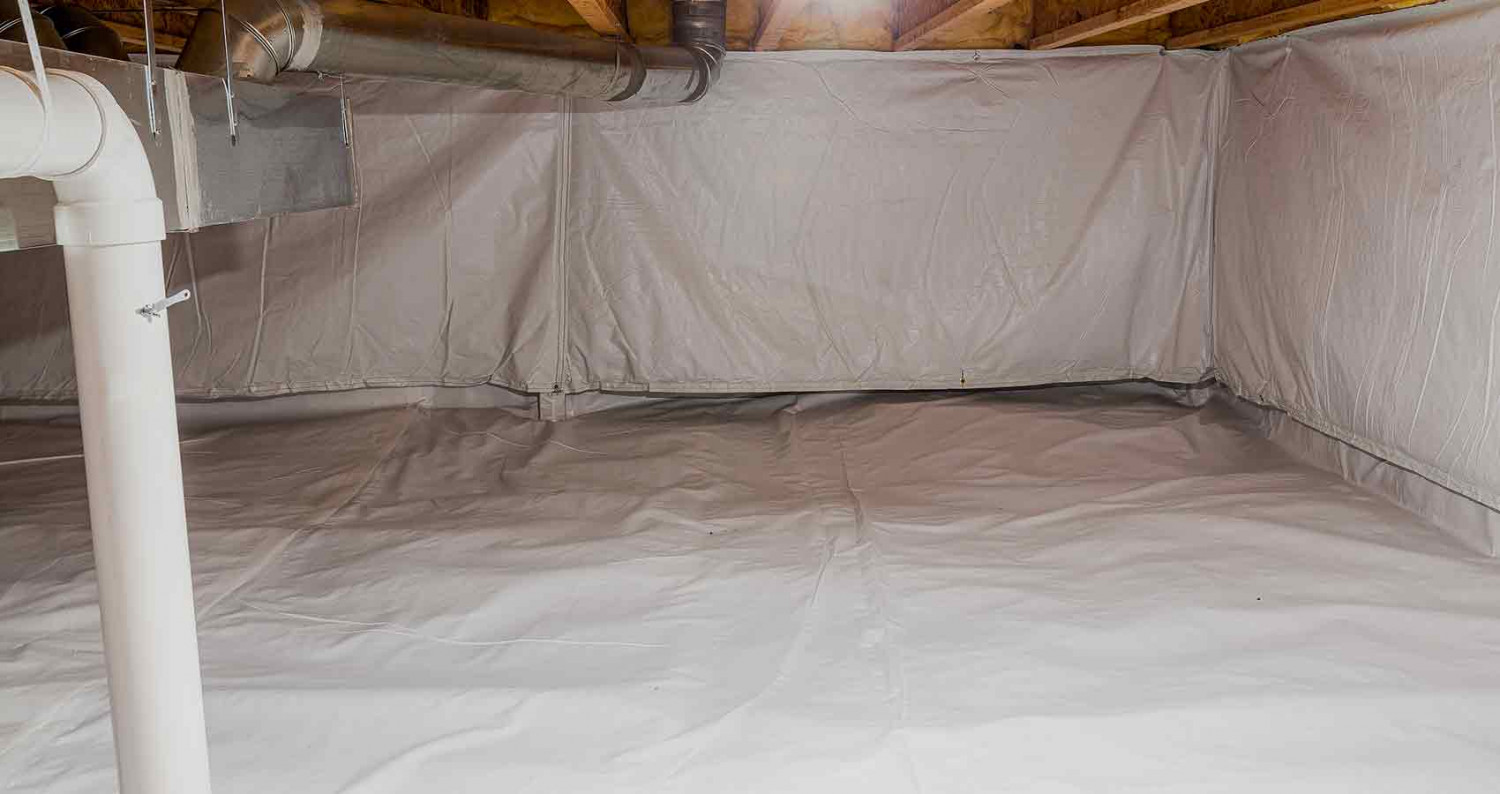
After waterproofing is installed in your Asheville basement, you will notice that the air feels less heavy and smells cleaner, especially during wet months. The walls stay dry to the touch, and you no longer see water stains spreading across concrete or pooling near the floor joints. If a drainage system was added, water that used to sit along your foundation now flows into a collection point and exits through a sump pump or exterior discharge line.
You will also see that stored items no longer develop mildew, cardboard boxes stay intact, and metal objects do not rust as quickly. These are the visible signs that moisture is no longer cycling through your space. In mountain areas like Asheville, where relative humidity can stay elevated for weeks, controlling that moisture at the foundation level keeps mold from colonizing walls, floor joists, and insulation.
Waterproofing does not eliminate the need for occasional dehumidifier use, but it does remove the main source of water entry. It also does not repair existing structural damage caused by years of saturation, so any compromised wood or cracked masonry should be addressed separately. The goal is to create a baseline dry environment that you can maintain without constant intervention.